

 Taal
Taal

Ontvang een offerte
1 Inch Wire Rope Capacity: Breaking Strength and Safe Working Load Explained
A 1-inch steel wire rope is usually treated as a heavy lifting component, but “capacity” is not a single number printed on a tag. The same diameter can be rated for roughly 50,000 lb of minimum breaking force or closer to 65,000 lb, depending on construction, core, and steel grade. What really matters for your job is safe working load, which is the breaking force divided by a design factor and then adjusted for hitches, terminations, and wear.
The short answer
A common 1-inch 6x19 IWRC rope in improved plow steel grade has a minimum breaking strength near 54,000–62,000 lb. At the usual 5:1 design factor, the vertical working load ends up between about 10,800 and 12,400 lb.
- Vertical hitch: approximately 10,800–12,400 lb SWL
- Choker hitch: about 75% of vertical capacity
- Basket hitch at D/d of 25:1 or greater: up to 2× vertical capacity
Breaking Strength vs. Working Load: Two Numbers You Cannot Mix
The first mistake buyers make is comparing one manufacturer’s breaking strength with another’s working load. They are different measurements with different purposes.
Minimum Breaking Force (MBF)
The calculated value at which a new rope is expected to break in a straight tensile test. For 1-inch 6x19 construction, typical values run from roughly 49,000 to 62,000 lb depending on core type and wire grade.
Proof Load
A test load applied to a finished sling or rope assembly, usually in the range of 20–30% of MBF, to confirm the product is sound. It is not a working capacity and should never be used as one.
Safe Working Load (SWL)
The usable load once MBF is divided by a safety factor, typically 5:1 for general lifting with wire rope slings. For personnel applications the factor is much higher, often 7:1 or more.
What Sets the Real Capacity of a 1-Inch Rope
Six factors change capacity even when the diameter stays at exactly 1 inch. They are worth checking before you calculate anything.
- Construction class. A 6x19 rope has thicker outer wires for abrasion resistance; a 6x36 rope has finer wires and greater flexibility. At the same 1-inch diameter, the finer construction usually delivers comparable or slightly higher breaking strength and better bend fatigue life.
- Core type. Independent wire rope core (IWRC) supports the strands better than fibre core and raises breaking strength by roughly 7–8% compared with a fibre core version of the same construction.
- Steel grade. IPS, EIPS, and EEIPS designations indicate higher tensile strengths. Moving from IPS to EIPS can increase MBF by about 10–15% without changing diameter.
- Termination efficiency. A factory-swaged eye or properly installed wedge socket can retain most of the rope strength. A poorly made termination can reduce assembly capacity to 60–80% of the rope’s MBF.
- D/d ratio. The ratio of the bend diameter to the rope diameter affects capacity, especially on basket hitches. Published basket ratings assume a minimum D/d ratio of about 25:1 for full capacity.
- Hitch type. A vertical hitch carries the full SWL. A basket hitch can carry up to twice the SWL if the load is balanced. A choker hitch is normally rated at 75% of the vertical SWL.
 EN 12385-4 Class 6×36WS-IWRC Steel Wire Rope for High-Stress Applications This 1-inch wire rope uses a Warrington-Seale design with an independent wire rope core, offering high tensile strength and fatigue resistance. Its performance varies with construction and core, so check the manufacturer's certificate for exact capacity. View Product →
 1-Inch Wire Rope Capacity at a Glance
The table below shows representative values for 1-inch wire rope with different constructions and cores. Always confirm final numbers from the manufacturer’s test certificate because minor construction variations change the result.
Construction / Core / Grade
MBF (lb)
5:1 Vertical SWL (lb)
Basket at D/d 25 (lb)
Choker 75% (lb)
6x19 FC, IPS
≈ 49,600
≈ 9,900
≈ 19,800
≈ 7,400
6x19 IWRC, EIPS
≈ 62,100
≈ 12,400
≈ 24,800
≈ 9,300
6x36 WS IWRC, EIPS
≈ 64,000
≈ 12,800
≈ 25,600
≈ 9,600
6x37M IWRC, EIPS
≈ 65,400
≈ 13,100
≈ 26,200
≈ 9,800
Representative catalog values for 1-inch diameter rope. Verify against the actual mill certificate before design.
Hidden Derating Factors: Why Real Jobs Need More Margin
A new rope’s published MBF assumes a straight pull. Real installations introduce losses that reduce usable strength. The chart below shows how the effective capacity drops as you move from an ideal test condition to a practical rigging condition.
New rope straight pull
100%
100%
Swaged eye
≈ 85–90%
≈ 85–90%
Choker hitch
≈ 75%
≈ 75%
D/d ratio below 25
≈ 60–80%
≈ 60–80%
Corroded or fatigued
≈ 40–60%
≈ 40–60%
This is why a 1-inch rope with a 62,000 lb breaking force cannot be treated as a 62,000 lb lifting tool. The gap between nameplate strength and safe field capacity is the difference between a controlled lifting operation and an overload situation.
Where Industry Actually Uses 1-Inch Wire Rope
The 1-inch diameter is a practical compromise between handlability and strength, so it shows up across several industries. The approximate demand split below reflects common usage patterns for this size.
Construction and infrastructure – 30%
Mining and quarrying – 25%
Cranes and lifting equipment – 20%
Marine and offshore – 15%
Manufacturing and logistics – 10%
These are directional estimates, not official statistics. The key point is that 1-inch rope is used where vertical loads in the 10,000–13,000 lb range are routine, whether the application is a mobile crane overhaul, a dragline line, a rigging sling, or an industrial hoist.
Selection Guide: Choosing the Right Capacity for Your Application
The fastest way to choose a wrong rope is to start from diameter and work backwards. Instead, define the job and then select the rope that satisfies it. The sequence below works for most 1-inch wire rope selections.
- Calculate the total applied load. Include the weight of the load, the hook, the sling itself, and any dynamic forces from acceleration or shock loading.
- Determine the hitch configuration. A two-leg bridle requires an angle multiplier. A choker requires a 75% factor. A basket requires checking the D/d ratio of the edge or beam it wraps around.
- Choose core and grade. For abrasive jobs, use an IWRC construction with larger outer wires. For flexibility around small sheaves, choose a 6x36 class rope with IWRC.
- Apply a minimum 5:1 design factor. Increase it to 7:1 or 8:1 for repeated lifts, personnel exposure, or poorly controlled environments.
- Check termination efficiency. If you use hand-spliced eyes or clips, reduce the rating accordingly. A factory swaged fitting is more repeatable and safer at close tolerances.
- Confirm the certificate. Request a mill certificate from the rope manufacturer and compare the measured breaking force with the catalog value before approving the sling.
 Single-Leg Wire Rope Slings with Various End Terminations Available from 1/4 to 2 inches, these EIPS IWRC slings provide rated loads up to 37 tons in vertical hitch. With eye-eye, thimble, or hook ends, they simplify load rating for single-point lifts in construction and rigging. View Product →
 Inspection, Maintenance, and Compliance Are Part of Rated Capacity
A wire rope only delivers its rated capacity if it is inspected, maintained, and used according to the applicable standard. For 1-inch rope, common references include OSHA 29 CFR 1910.184, ASME B30.9, and EN 12385 for manufacturing requirements.
- Broken wires. Remove the rope when broken wires reach the limit specified by the relevant standard, usually based on the number of breaks in one rope lay.
- Corrosion. Tight, pitted outer wires with reddish rust indicate internal corrosion, which can reduce capacity without clear visible warning.
- Abrasion. Worn or flattened outer wires reduce cross-sectional area and lower breaking strength faster than many users expect.
- Distortion. Bird-caging, kinks, or core protrusion are grounds for immediate removal.
- Termination condition. Check swaged sleeves, thimbles, and clips at every inspection interval. Heat damage and overloading often show up first near the termination.
- Documentation. Keep the rope number, installation date, inspection record, and original certificate together so the actual capacity can be traced.
When you buy directly from a manufacturing facility , you can request the certificate before delivery and confirm that the construction, core, and grade match your calculation. That is a small step, but it prevents the most common failure: assuming that a diameter number alone defines capacity.
 ISO 2408 6×37M Ultra-Flexible IWRC Steel Wire Rope This small-diameter-compatible rope features 37 wires per strand for smooth bending and long fatigue life. With strengths to 1960 MPa and diameters up to 60 mm, it suits cranes, elevators, and dynamic lifting systems. View Product →
 1-inch wire rope capacity is not a mystery, but it is also not a fixed number. Start from the construction, core, and steel grade, confirm the breaking force on a certificate, apply a realistic design factor, and reduce the rating for the hitch and termination you actually plan to use. That process will give you a capacity you can trust on the job site.
If you need help specifying a 1-inch rope for a particular application, send us your duty profile and our engineers will work through the calculation with you.
Gerelateerde producten
-
 Bekijk meer
-
 Bekijk meer
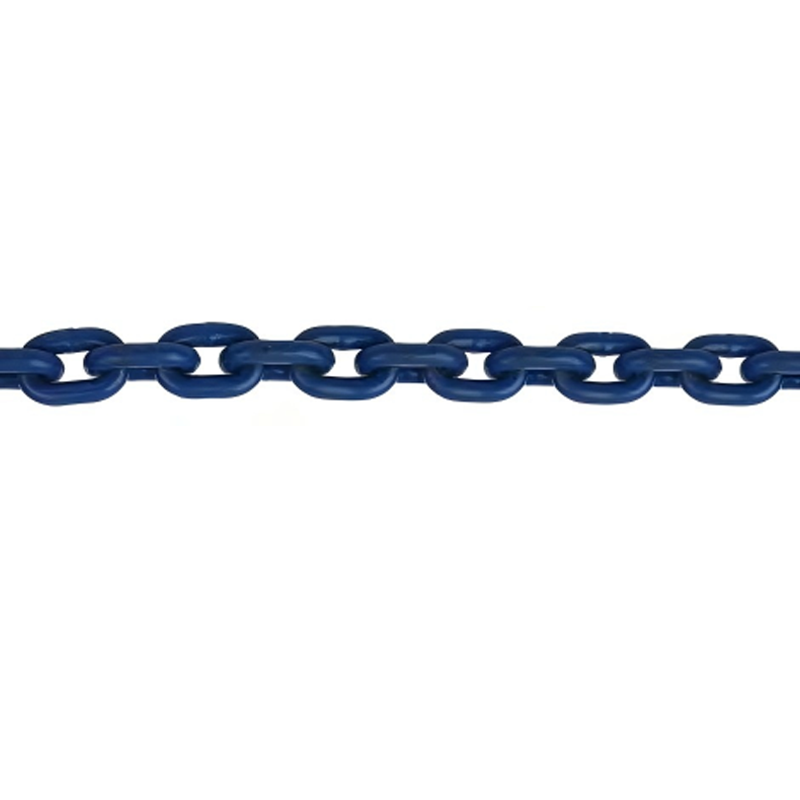
Warmtebehandeld hijsstaal van klasse 100
-
 Bekijk meer
18×7+FC staaldraad – EN 12385-4
-
 Bekijk meer
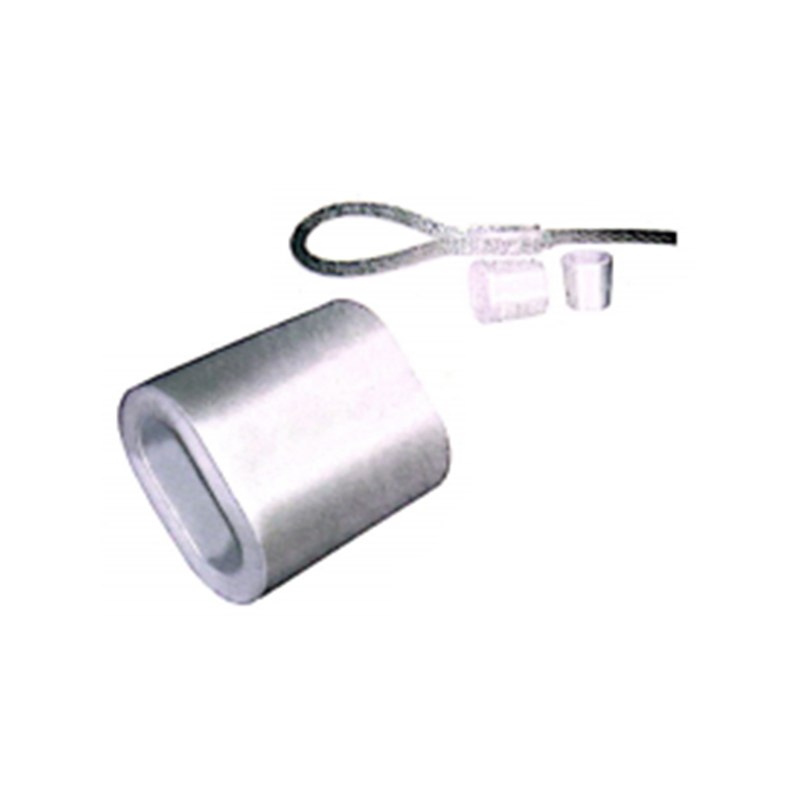
Aluminium adereindhulzen voor staalkabel (DIN 3093 / EN 13411-3 standaard)
-
 Bekijk meer
1. 8×36WS-IWRC staaldraadkabel – EN 12385-4
-
 Bekijk meer
ASTM a 1023 Classificatie 7x7 en 7x19 Kleine diameter (gegalvaniseerd) Speciaal koord
Neem contact met ons op
-

-
 +86-13395162883 / +86-0510-86361180
 -
 Nr. 25 Xizhang Road, Changshou Village, Zhouzhuang Town, Jiangyin City, Wuxi City, Jiangsu Province, China


- Snelle koppelingen
- Productcategorieën
- Staalkabel
- Draadkabelfittingen
- Keten
- Accessoires voor draadkabels
- Verpakkingstypen

Stuur ons nu een bericht!
